
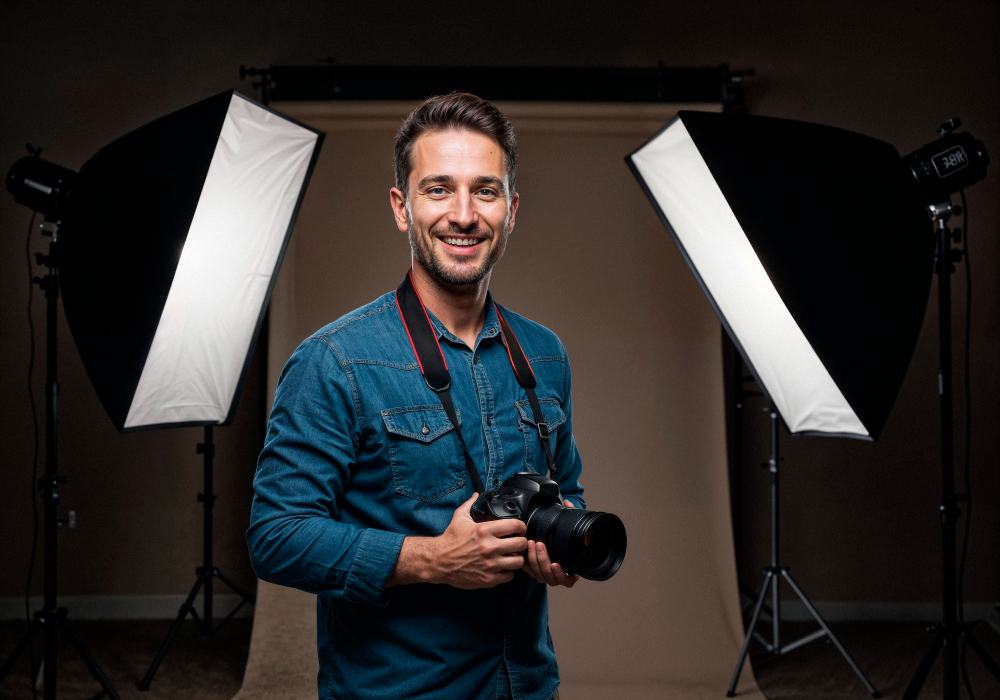
Master photography fundamentals, invest in reliable camera equipment, build a professional portfolio, gain practical experience at real events, learn professional photo editing, market your photography services effectively, develop strong communication skills, manage your time efficiently, build a network with event professionals, and consistently deliver high-quality images to establish a successful career as an event photographer.
If you have a passion for photography and enjoy capturing genuine emotions, becoming an event photographer could be the perfect career path. Whether it’s weddings, corporate conferences, birthday celebrations, award ceremonies or live performances, event photography allows you to tell compelling stories through your camera. At Film Your Event, we understand that every memorable occasion deserves to be documented professionally, and skilled photographers play an essential role in preserving those once-in-a-lifetime moments.
The demand for professional event photographers continues to grow as businesses and individuals increasingly recognise the importance of high-quality imagery. From social media marketing to family keepsakes, professional photographs have become more valuable than ever.
In this comprehensive guide, you’ll learn everything you need to know about how to become an event photographer, including the skills you need, the equipment you’ll require, how to build a portfolio, attract clients and grow a profitable photography business.
An event photographer specialises in capturing important moments during organised occasions. Their role involves documenting the atmosphere, emotions, interactions and highlights of an event without interrupting its natural flow.
Unlike studio photography, event photography requires photographers to think quickly, adapt to changing lighting conditions and anticipate important moments before they happen.
Every event presents unique challenges, making this career exciting and rewarding.
There are many reasons why photographers choose event photography over other photography niches.
Businesses, organisations and families constantly organise events that require professional photography.
No two events are the same. Every assignment offers different people, venues, lighting and stories.
Although clients have expectations, event photography still allows plenty of creativity in composition, lighting and storytelling.
Experienced photographers can earn excellent income through repeat bookings, referrals and premium services.
Every event introduces you to new clients, business owners and industry professionals, helping expand your professional network.
Owning an expensive camera is only a small part of becoming successful.
Here are the essential skills every event photographer should develop.
Understand:
Mastering these basics ensures consistently sharp and well-exposed photographs.
You’ll spend much of your time interacting with clients and guests.
Good communication helps you:
Events usually follow strict schedules.
Being punctual and organised helps you capture every important moment without missing key highlights.
Small details often tell the biggest stories.
Capture:
These images help complete the event narrative.
Events move quickly.
You rarely get a second chance to capture a first kiss, award presentation or keynote speech.
Learning to stay calm under pressure is essential.
Before accepting paid work, invest time in learning your craft.
You can learn through:
Practise regularly in different environments to improve your confidence.
Professional equipment improves reliability but doesn’t guarantee better photographs.
A beginner’s event photography kit should include:
Choose a camera with:
Mirrorless and DSLR cameras both perform well.
A versatile lens collection may include:
24-70mm
Perfect for general event coverage.
70-200mm
Excellent for speeches and candid moments from a distance.
50mm Prime
Ideal for portraits and low-light photography.
Wide-angle lens
Useful for venue shots and large group photographs.
Indoor events often require external flash.
Learn both:
Using flash correctly creates more natural-looking photographs.
Always carry multiple high-speed memory cards.
Never rely on a single card during an important event.
Long events can quickly drain batteries.
Carry more than you think you’ll need.
Choose a comfortable bag that protects your equipment while allowing quick access.
Experience matters more than expensive equipment.
Start by photographing:
These opportunities help build confidence while improving technical skills.

Clients want evidence that you can deliver consistent results.
Include photographs that showcase:
Quality matters more than quantity.
A portfolio of 40 outstanding photographs is far more effective than hundreds of average images.
Professional photographers follow organised workflows.
Typical workflow:
Pre-event consultation
Discuss expectations with the client.
Location visit
Visit the venue if possible.
Equipment preparation
Charge batteries, clean lenses and format memory cards.
Event coverage
Capture every important moment while remaining unobtrusive.
Image backup
Back up photographs immediately after the event.
Editing
Select and professionally edit the strongest images.
Delivery
Provide photographs through an online gallery or USB drive.
A consistent workflow helps reduce mistakes.
Many events take place indoors or during evenings.
Learn how to:
Low-light expertise often separates experienced photographers from beginners.
Photography doesn’t end when the event finishes.
Editing improves colour, exposure and consistency.
Popular editing software includes:
Focus on:
Avoid excessive editing.
Natural-looking photographs remain timeless.
Every client has different priorities.
Always ask questions like:
Clear communication prevents misunderstandings later.
Over time, photographers develop unique editing and shooting styles.
Some prefer:
A recognisable style helps attract ideal clients.
Running a photography business involves more than taking pictures.
You’ll also need to understand:
Strong business knowledge contributes significantly to long-term success.
Your website serves as your digital portfolio.
Include:
Optimise every page for search engines using relevant keywords.
Social media remains one of the best marketing tools for photographers.
Share:
Consistency builds trust and visibility.
Building relationships leads to referrals.
Connect with:
Many successful photographers receive regular bookings through industry partnerships.
Working alongside experienced photographers provides valuable learning opportunities.
You’ll learn:
Many photographers begin their careers as second shooters before accepting solo bookings.
Avoid charging too little simply to attract clients.
Consider:
Your pricing should reflect the value you provide.
Every booking should include a written agreement.
A contract should cover:
Contracts protect both photographer and client.
Photography evolves constantly.
Continue learning by:
Continuous improvement keeps your work competitive.
Many beginners make similar mistakes.
Avoid these common errors:
Learning from mistakes accelerates professional growth.
The timeline varies depending on dedication.
Many photographers become confident within one to two years of consistent practice.
However, building a strong reputation and regular client base often takes several years.
Patience, persistence and continuous learning remain the keys to success.
Becoming an event photographer requires far more than owning a professional camera. It demands technical expertise, creativity, excellent communication, business knowledge and the ability to perform under pressure. Every event presents a unique opportunity to preserve memories that clients will treasure for years to come.
Start by mastering your camera, practising regularly, building a compelling portfolio and learning from experienced professionals. As your confidence grows, focus on delivering outstanding customer service and consistently producing high-quality work. Over time, your reputation, referrals and experience will help establish a successful and rewarding career in event photography.
No. While photography qualifications can be helpful, most successful event photographers build their careers through practical experience, a strong portfolio and continuous learning.
A camera with reliable autofocus, excellent low-light performance and fast continuous shooting is ideal. Pair it with versatile lenses to handle different event situations.
Income varies depending on location, experience, event type and reputation. Experienced photographers with strong client bases can earn a substantial annual income through regular bookings.
Yes. Many photographers successfully run full-time event photography businesses by specialising in weddings, corporate functions, private parties and commercial events.
Start by photographing local events, assisting experienced photographers, creating a professional portfolio, building an online presence, asking for referrals and networking with event professionals.