
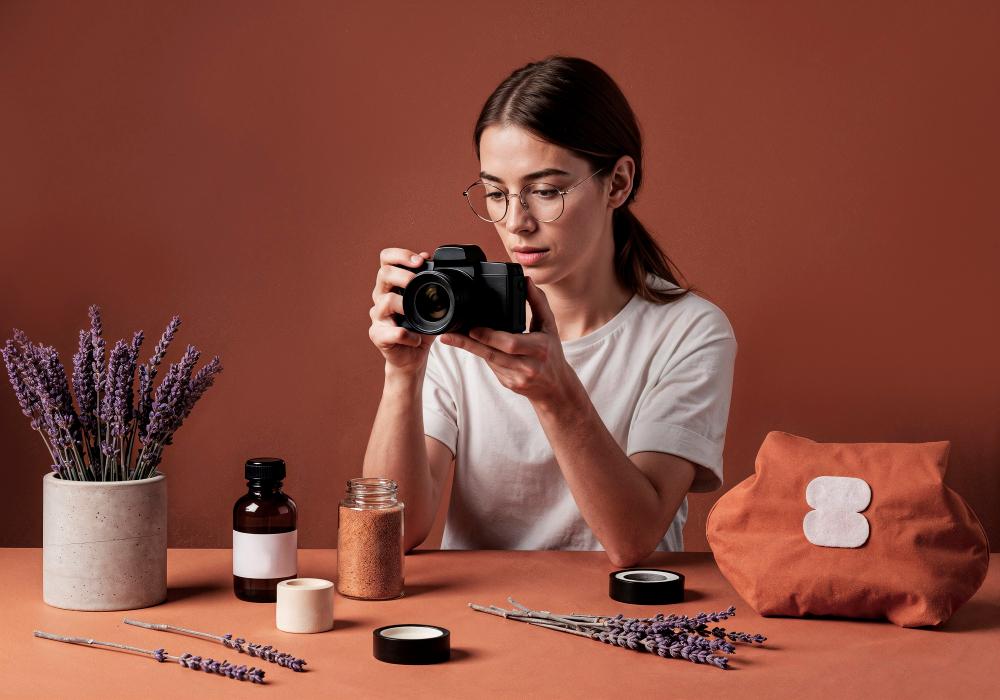
To start product videography, learn basic camera settings and fundamentals, use simple equipment like a camera, tripod, and lighting, practise composition and styling, edit your videos, build a portfolio, and promote your work online to attract clients.
Product videography has become one of the most powerful tools for brands looking to showcase their products in a visually compelling way. With the rapid growth of e-commerce and social media, high-quality product videos are no longer optional—they are essential. If you’re wondering how to begin your journey in this field, you’re in the right place.
This in-depth guide explains everything you need to know about How to start product videography?, from equipment and techniques to building a portfolio and finding clients.
Product videography is the art of creating videos that highlight a product’s features, design, and functionality. These videos are used in advertisements, social media campaigns, e-commerce listings, and even product launch videography for major brand releases.
Unlike general video production, product videography requires attention to detail, lighting precision, and storytelling skills to make even simple objects look appealing.
The demand for video content has skyrocketed in recent years. Consumers prefer watching videos over reading descriptions, and businesses are investing heavily in visual marketing.
Here’s why this field is growing:
This makes product videography a profitable and future-proof skill.
Before specialising, you need a solid foundation in videography. Learn the essentials:
You can improve quickly by practising regularly or enrolling in videoraphy workshops, which provide hands-on experience and professional guidance.
You don’t need the most expensive gear to start, but having the right tools makes a significant difference.
Start small and upgrade as your skills and projects grow.
Lighting is the most important element in product videography. It can make or break your visuals.
Natural light can also work well, especially for beginners.
A well-styled product can instantly elevate your video quality.
Consider:
The goal is to make the product the centre of attention while enhancing its appeal.
Editing is where your footage comes to life. Even simple edits can transform raw clips into professional videos.
Popular editing tools include beginner-friendly and advanced software, depending on your skill level.

Clients won’t hire you without seeing your work. Start by creating sample videos.
A strong portfolio demonstrates your skills and creativity.
Great product videos don’t just show—they tell a story.
Ask yourself:
For example, product launch videography often focuses on excitement, innovation, and anticipation.
Skills alone won’t bring clients—you need visibility.
Consistency is key. Regularly post your work and engage with your audience.
Pricing can be tricky when starting out.
Consider:
Start with competitive pricing and increase as your expertise grows.
The videography industry evolves quickly. Stay updated with:
Attending videoraphy workshops and learning from professionals can significantly accelerate your growth.
Beginners often make avoidable mistakes, such as:
Avoiding these will help you stand out early in your journey.
Once you gain confidence, you can turn product videography into a full-time career.
Many professionals, including teams like Film Your Events, focus on delivering high-quality visual content that helps brands communicate effectively and professionally.
By combining creativity with technical skills, you can build a sustainable and rewarding business.
Starting product videography may seem overwhelming at first, but with the right approach, it becomes an exciting and creative journey. Focus on learning the basics, practising consistently, and building a portfolio that reflects your style.
With time and dedication, you’ll not only improve your skills but also create videos that captivate audiences and deliver real value to brands.
You need a camera or smartphone, tripod, lighting setup, and basic editing software to begin.
Yes, beginners can start with simple tools and improve through practice and learning.
You can find clients through social media, freelance platforms, networking, and showcasing your portfolio online.
Yes, it is highly profitable due to increasing demand for video marketing and e-commerce content.
It depends on your dedication, but with consistent practice, you can learn the basics within a few months.